
Guides
Government decisions and public services: a daily news guide
Government decision guide to proposals, votes, authority, effective dates, funding, implementation, service effects, public instructions, and updates.
What to take away
- Identify the exact decision stage before describing a government action.
- Separate adoption, signature, publication, effective date, funding, and implementation.
- Explain which body has authority and which office delivers the service.
- Translate public effects without turning estimates into promises.
- Follow the record after the announcement.
Government news often compresses a long process into one verb: approved, passed, ordered, funded, or launched. Each verb can hide several legal and administrative steps. A useful daily explainer names the document, decision maker, stage, date, affected service, and next condition. The general craft is described in the daily news explainer guide; this guide adds the government-specific fields.
Photo and credit
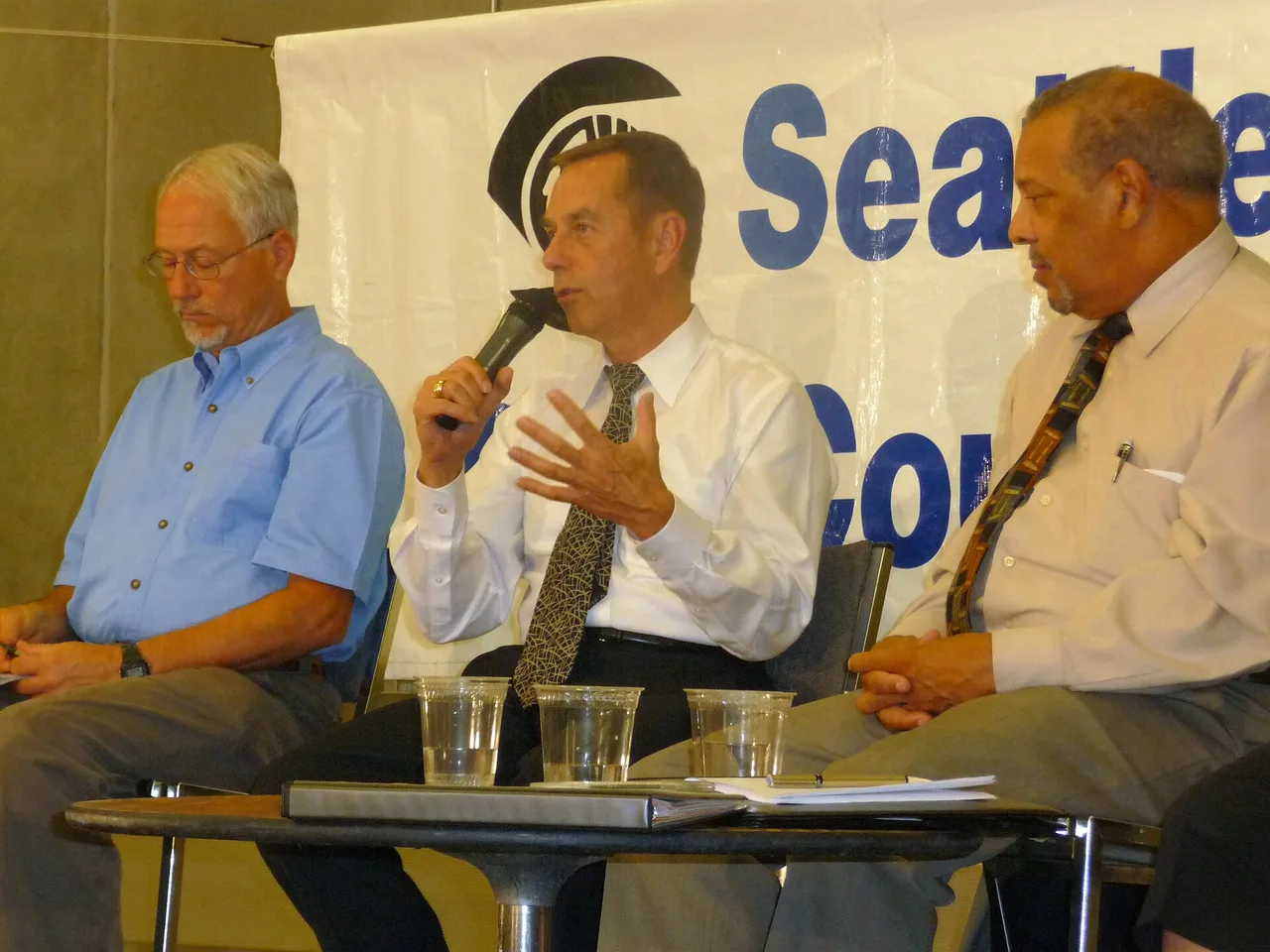
The image illustrates a public meeting. It does not depict any government action described in this guide.
Start with a decision card
| Field | Reporting question |
|---|---|
| Body | Which council, agency, court, legislature, executive, or board acted? |
| Instrument | Bill, ordinance, rule, order, resolution, contract, budget, notice, or guidance? |
| Stage | Proposed, amended, adopted, signed, published, effective, implemented, or challenged? |
| Authority | Which law or rule allows the action? |
| Scope | Which people, places, services, and dates are covered? |
| Resources | Is money authorized, appropriated, awarded, or spent? |
| Delivery | Which office must carry out the decision? |
| Next step | What must happen before the public effect changes? |
Do not write from a speech alone when the operative document exists. Compare the announcement with the adopted text, vote record, fiscal material, and implementation notice. Local actions surface first in agendas and packets; how to read a public meeting packet covers that record.
Distinguish the stages
A proposal can change during committee review, amendment, public comment, negotiation, or final drafting. A vote may authorize an action without funding it. A signed measure may carry a later effective date. An effective rule may require systems, staff, contracts, or local participation before service changes reach the public. What each instrument can establish is tabulated in government decision documents compared.
Use exact verbs. "The council introduced" is not "the city enacted." "The agency published a final rule" is not always "the requirement starts today."
The Office of the Federal Register's guide to the federal rulemaking process distinguishes proposed and final rules, public comments, publication, and effective dates, while explaining exceptions to the usual path. That guide covers federal administrative rulemaking, not every state or local decision. It demonstrates why publication status and effective date must be checked in the controlling record.
Map authority and delivery
The body that sets policy may not operate the service. A legislature can appropriate money; an agency may set eligibility; a contractor may run a call center; a local office may process applications. State each role and limit.
Ask who can amend the policy, who can waive a requirement, who hears appeals, and who answers operational questions. Avoid calling all offices "the government" when the distinction changes what readers should do.
Explain money precisely
Authorized, appropriated, obligated, awarded, and spent are not synonyms. Record the amount, account, purpose, period of availability, recipient conditions, and whether the number is a ceiling, estimate, or actual outlay.
GAO's glossary of federal budget terms was written as a basic reference for exactly this vocabulary; it defines budget terms and distinguishes budgetary from nonbudgetary meanings of the same words. State and local governments keep their own vocabularies, so ask the finance office for its definitions rather than assuming the federal ones apply.
For household examples, show the assumptions. A maximum benefit is not the typical payment. A citywide allocation is not a per-person entitlement. The economic releases and household effects guide applies the same assumption-first arithmetic to data stories.
Connect policy to service
Readers often need practical fields:
- who qualifies;
- when the change begins;
- whether current users must act;
- application or appeal route;
- service hours and locations;
- documents or fees required;
- language and disability access;
- official contact for errors.
Verify each instruction with the delivering office. A policy summary may not contain the operational detail needed to act.
Track implementation
Create triggers for regulations, contracts, technical systems, staffing, appropriations, litigation, guidance, enrollment, and performance reports. Compare promised milestones with completed ones without treating delay as proof of a motive.
If implementation changes the public result, revise the headline and takeaways. The announcement is not the end of the story.
Common questions
Does a vote mean a policy is in force?
Not always. Check signature, publication, effective date, funding, administrative steps, and any legal stay.
Is a press release an official record?
It is an official communication, but the enacted text, order, rule, contract, or notice may control the details.
What does funding approved mean?
The phrase is too broad by itself. Identify whether money was authorized, appropriated, obligated, awarded, or spent.
When should the explainer update?
When a stage, text, effective date, funding status, service instruction, or legal condition materially changes.
In this guide
- How to read a public meeting packet and votePublic meeting packet guide to agendas, staff reports, draft measures, fiscal notes, amendments, comments, votes, minutes, and follow-up records.
- Government decision documents comparedGovernment decision documents compared by status and effect, including bills, laws, rules, orders, resolutions, guidance, budgets, contracts, and notices.
- Government decision and service-impact checklistGovernment decision checklist for authority, document version, vote, start date, funding, implementation, service access, legal challenges, and updates.