
Guides
Part of Weather, disasters, and public safety: a reporting guide
How to read a weather alert before publishing
Weather alert workflow for checking the alert type, issuer, hazard, evidence, location, valid time, impact, protective action, updates, and expiration.
What to take away
- Read the complete official product, not a cropped notification.
- Preserve the difference among a watch, warning, and advisory.
- Translate polygons and zones into places without broadening them.
- State whether the hazard is observed, indicated, or forecast.
- Check for updates immediately before publication.
A mobile notification may hide the source, full geographic description, hazard basis, and expiration. The NWS page on Wireless Emergency Alerts describes phone alerts that warn people near a hazard, like a tornado alert reaching a driver in an affected county; treat the alert as a trigger to open the full product, not a substitute for it. Open the issuing agency's complete product and capture its identifier before writing. This seven-step workflow is designed for a fast desk under deadline. It slots into the broader weather and public safety reporting guide.
Photo and credit
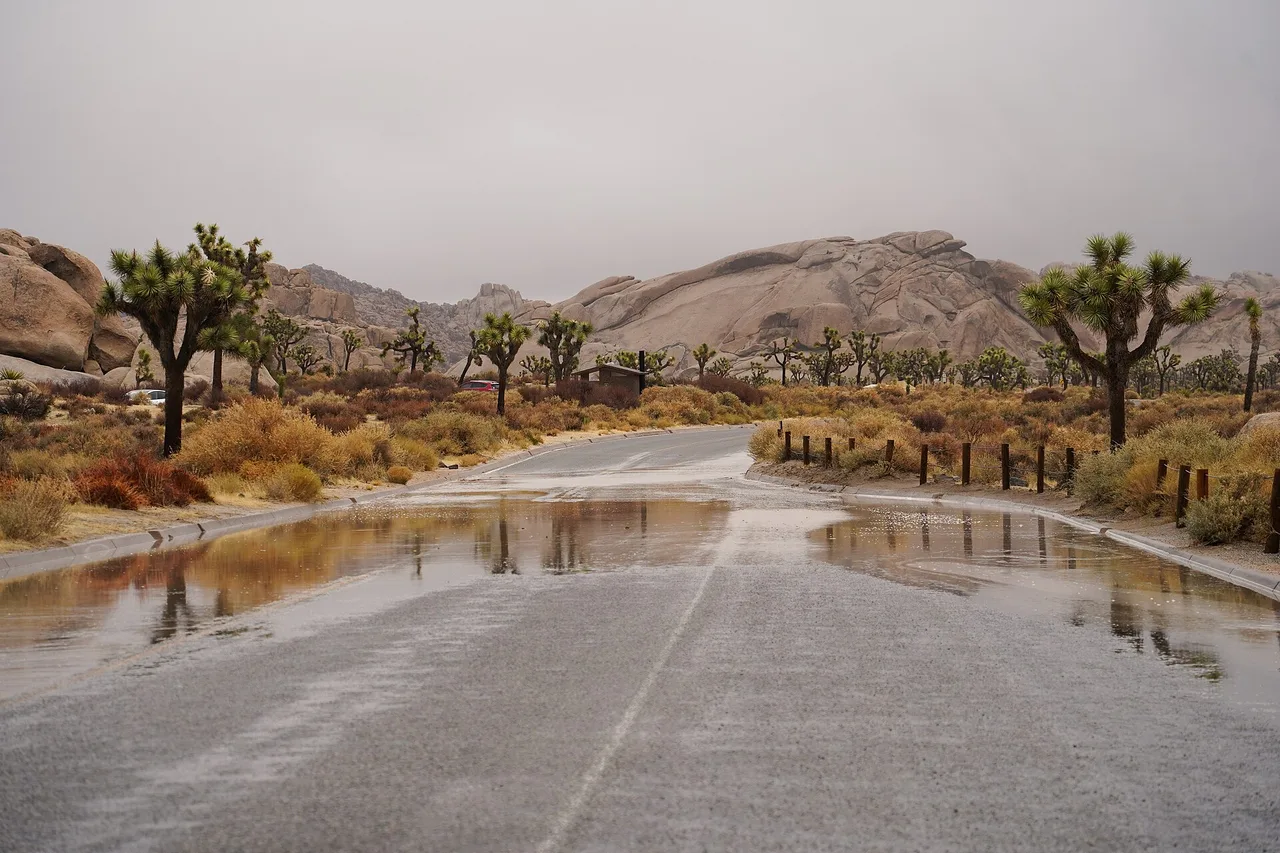
The photograph is illustrative. It is not evidence of a current closure, flood depth, safe route, or warning area.
Step 1: identify the product
Copy the issuing office, product name, event code if present, issue time, valid period, and status. Note whether it is new, corrected, updated, extended, replaced, or canceled.
The National Weather Service's page on tornado watches and warnings shows how one hazard's alerts escalate: a tornado watch means tornadoes are possible in and near the watch area and is issued by the Storm Prediction Center for large regions, while a tornado warning means a tornado has been sighted or indicated by radar and calls for immediate protective action. Other hazards use their own product ladders, so read the issuing office's definition for the product in hand.
Use the exact label. Do not write "warning" for every weather notification. For claims arriving as social reposts of alerts, run the breaking news verification checklist first.
Step 2: map the area
Read the polygon, zone list, county description, river reach, and landmark text. Identify whether a city is fully or partly included. A county named in routing metadata may not mean the entire county faces the same condition.
Write a short place list only after checking it against the product. Do not infer safety just outside a line.
Step 3: establish time
Record issue, start, expected arrival, expiration, and next-update times with a time zone. A warning issued at night may cross midnight. Write dates, not only "today" and "tomorrow," in durable copy.
Step 4: label the evidence
Look for source tags such as radar indicated, observed, gauge reported, trained spotter, emergency management, or forecast conditions. Preserve the distinction in the first two paragraphs.
If the product cites a measured value, retain its location, unit, and time. Do not present a remote estimate as a surface measurement.
Step 5: extract impact and action
Copy the stated hazard, expected impact, and protective instruction into separate notes. Lead with action when the warning is urgent. Keep instructions tied to the issuing authority and location.
Avoid improvising routes, shelter locations, or medical advice. Verify any local facility through the responsible jurisdiction. Health-issued instructions follow a parallel reading order; see how to read a public health notice.
Step 6: inspect update language
Compare the current product with the previous version. Has the area changed? Did the source move from radar indicated to observed? Was the expiration extended? Did the hazard end while secondary impacts continue?
Rewrite the opening and headline when a material field changes. Do not stack contradictory paragraphs.
Step 7: perform the final reload
Reload the alert and local authority page just before publishing. Record the check time. Assign the next check to a named editor, especially when the product will expire or a scheduled update is due. Alert desks in health coverage codify the same recheck in the health alert reporting checklist.
Common questions
Is everyone in a named county necessarily inside the warning polygon?
Not always. Read the full geographic description and map before summarizing the area.
Does "radar indicated" mean the event was observed on the ground?
No. It describes the evidence named by the product. Ground confirmation should be labeled separately.
Can an expired warning be deleted from an article?
Replace prominent action with the current status, but preserve a dated record that the warning existed when relevant to the event timeline.
What should the headline contain?
The official action, hazard, affected place, and useful timing, without stronger certainty than the source provides.